Importance of Strength Training for Children
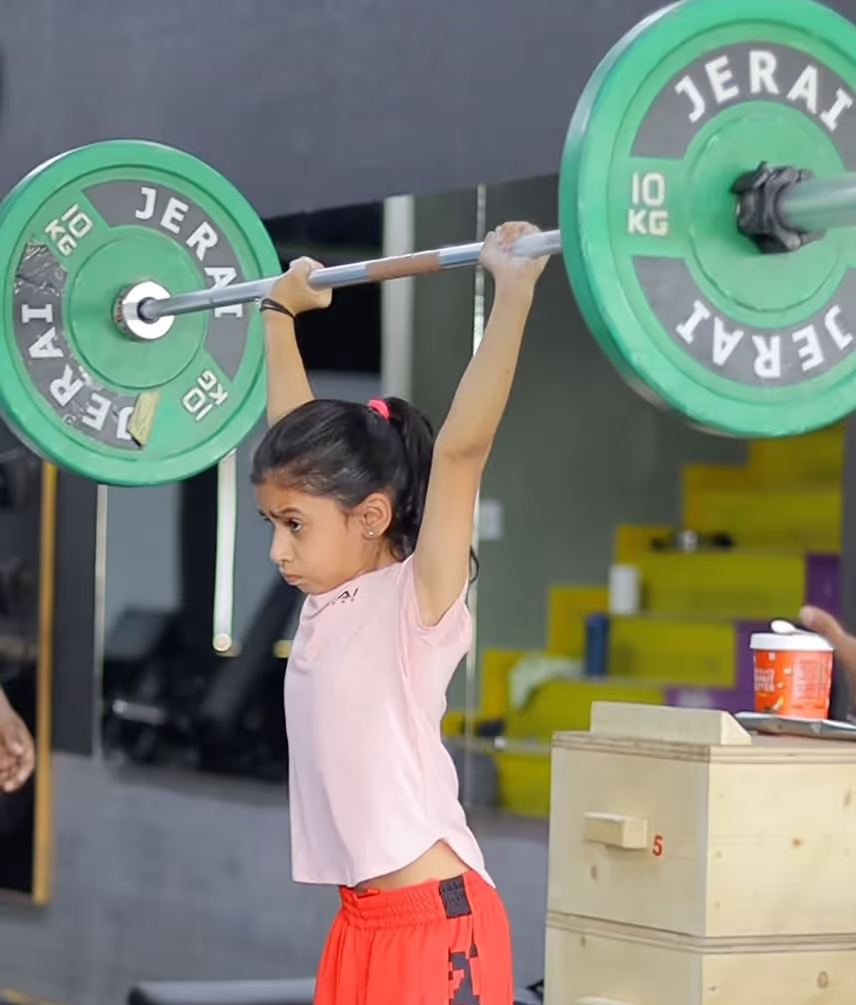
Featured athlete: Arshia Goswami
For decades, many parents have been warned that strength training can stunt a child’s height. This belief has spread so widely that it’s now one of the biggest myths in youth fitness. But today, modern sports science, pediatric research, and global athletic training data all agree: properly supervised strength training does NOT stunt height growth. In fact, it supports better movement, stronger bones, injury prevention, and long-term athletic development.
Children today grow up in a world where physical activity is decreasing, posture problems are increasing, and organized sports often replace natural play. Strength training—done correctly—fills this gap by improving body awareness, promoting balanced muscular development, and ensuring long-term health. From ages 10 and above, children are in a prime phase for learning movement, developing motor skills, and building strength safely.
Busting the Myth: Strength Training Does Not Affect Height
The fear that strength training stops height growth comes from confusion about growth plates. Growth plates are soft cartilage areas at the ends of long bones. Many believed weight training compressed or damaged them. But research shows the truth is much different. Growth plate injuries almost always come from accidents—falls, collisions, or sudden trauma—not from structured strength training under supervision.
Organizations such as:
Growing children need adequate intake of protein for muscle and bone development, calcium and vitamin D for bone growth, healthy fats for hormone support, and essential minerals like zinc and magnesium for metabolism and growth.
all confirm that youth resistance training is safe, beneficial, and necessary when properly coached. Studies show that strength training improves bone density, supports healthy posture, and may even reduce fracture risk.
So the myth that lifting weights stops height growth is outdated and not supported by science. As long as children use proper technique and appropriate loads, strength training is not harmful—it is protective.
Why Strength Training Matters for Children
Unlike adults, children become stronger primarily through neural adaptation, not muscle hypertrophy. This means their nervous system becomes better at activating muscles and coordinating movements. This stage of development is extremely important, because it shapes movement patterns for life.
Some major benefits include:
Growing children need adequate intake of protein for muscle and bone development, calcium and vitamin D for bone growth, healthy fats for hormone support, and essential minerals like zinc and magnesium for metabolism and growth.
Strength training is not about lifting heavy weights. It’s about learning movement quality, stability, balance, and control—skills that transfer to every sport and every stage of life.
The Role of Nutrition in Height Growth
If parents want to know what truly affects height, the answer is simple: nutrition, sleep, and genetics. Strength training has no negative effect on height, but poor nutrition definitely does.
Growing children need adequate intake of protein for muscle and bone development, calcium and vitamin D for bone growth, healthy fats for hormone support, and essential minerals like zinc and magnesium for metabolism and growth.
Additionally, children need 9–11 hours of sleep for proper release of growth hormone. Without sleep and nutrition, even the most active child will not grow optimally. Strength training enhances the system—nutrition fuels it.
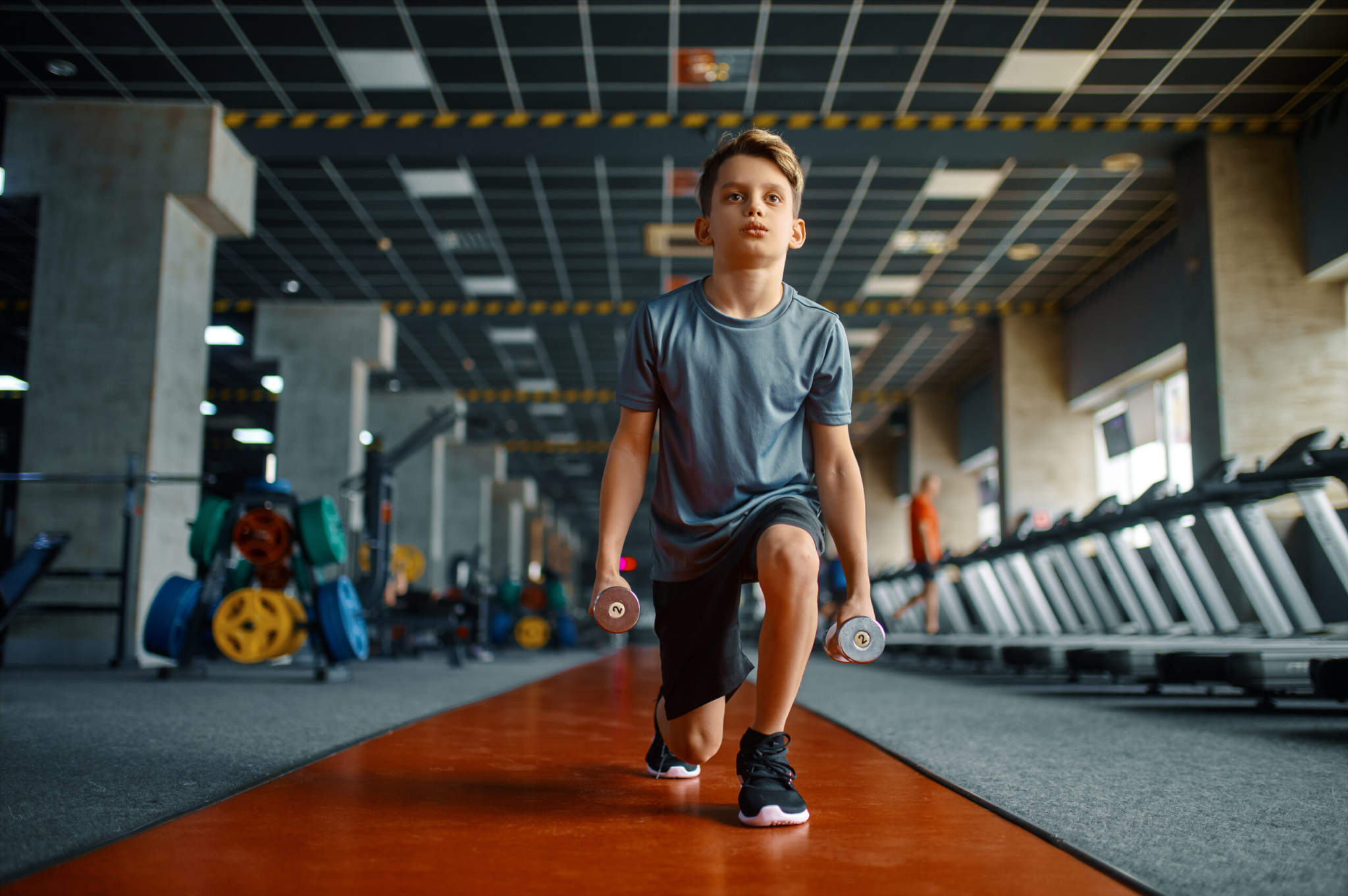
Multisport Training + Strength Training = The Perfect Combination
Specialization in a single sport at an early age may seem like the path to excellence, but research strongly disagrees. Children who play multiple sports develop superior coordination, agility, and athletic intelligence. Multisport training exposes children to a wide variety of movements—jumping, sprinting, throwing, balancing, and reacting.
When strength training is added to this mix, the results are even better. Strength training enhances force production, movement efficiency, joint stability, and resilience. Multisport activities enhance skill and adaptability. Together, they build a complete athlete.
Why this combination works:
Growing children need adequate intake of protein for muscle and bone development, calcium and vitamin D for bone growth, healthy fats for hormone support, and essential minerals like zinc and magnesium for metabolism and growth.
Children who combine these approaches develop a level of athleticism that single-sport specialization or gym-only training can never achieve alone.
Motor Unit Development: The Key Advantage of Starting Young
Motor units are the connection between nerves and muscle fibers. During childhood and early adolescence, the nervous system adapts faster than at any other time in life. This means kids learn movement patterns more easily and retain them long-term.
Strength training during this phase trains the brain to activate muscles efficiently. It improves:
Growing children need adequate intake of protein for muscle and bone development, calcium and vitamin D for bone growth, healthy fats for hormone support, and essential minerals like zinc and magnesium for metabolism and growth.
This neurological foundation becomes extremely hard to build later in adulthood. Starting early provides lifelong advantages in coordination and physical capability.
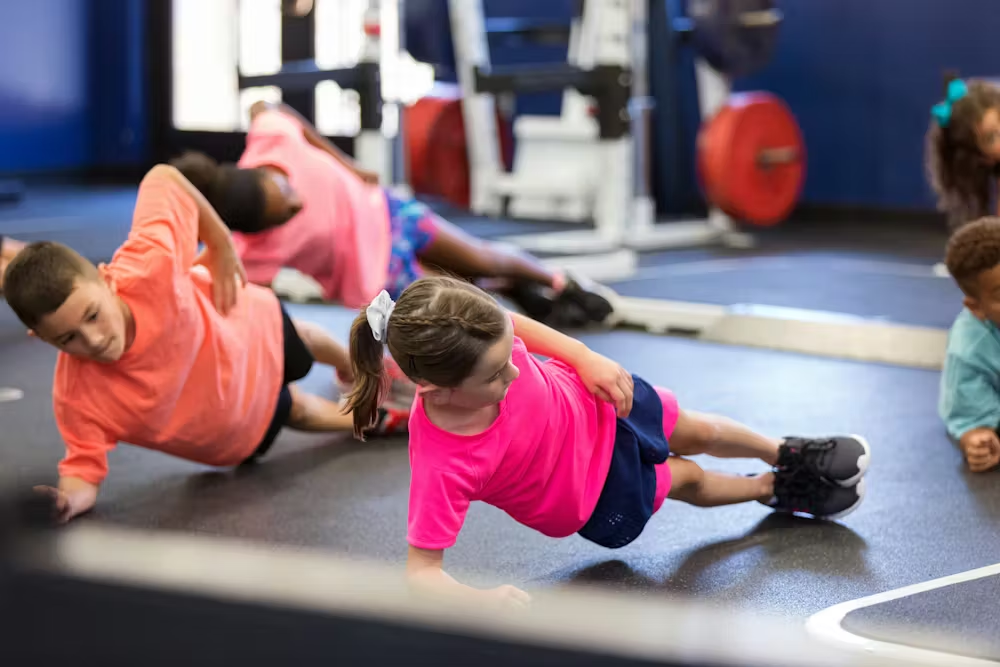
Why Only Playing Sport Isn’t Enough
Many parents assume that playing a sport is enough for a child’s fitness. But sports often create imbalances because they repeat the same actions. For example:
Growing children need adequate intake of protein for muscle and bone development, calcium and vitamin D for bone growth, healthy fats for hormone support, and essential minerals like zinc and magnesium for metabolism and growth.
Strength training corrects these imbalances and prevents injuries. A child who only plays sport may become skilled, but they might lack strength, stability, and symmetry. Similarly, a child who only lifts weights may become strong but lack agility and sport skills.
The best path is balance—not one or the other.
What an Ideal Weekly Schedule Looks Like
Alternate-day strength training combined with multisport play gives the body time to recover while still providing enough frequency for growth.
Growing children need adequate intake of protein for muscle and bone development, calcium and vitamin D for bone growth, healthy fats for hormone support, and essential minerals like zinc and magnesium for metabolism and growth.
This schedule builds both athletic skill and physical strength without overwhelming the child.
Final Thoughts
Strength training is not a danger—it is an advantage. When done with proper technique, progression, and supervision, it becomes one of the most powerful tools for childhood development. It does not stunt height. It does not harm growth plates. Instead, it supports stronger bones, healthier joints, better posture, and smarter movement patterns.
When combined with proper nutrition, sleep, and multisport exposure, strength training prepares children for a lifetime of fitness, confidence, and resilience. Strong children grow into strong adults—not just physically, but mentally and emotionally too.